
The first cold snap of fall hits, and within a week your lips are doing that thing — tight in the morning, flaky by lunch, and somehow cracked at the corners no matter how much balm you swipe on. It’s not your imagination, and it’s not because you’re doing skincare wrong. Your lips are genuinely the most vulnerable skin on your body: they have no oil glands, the skin is paper-thin, and they can’t moisturize themselves the way the rest of your face can.
Fall attacks them from three sides at once. The air turns colder and drier, the wind picks up, and then you come inside where the heating has been running all day and the air is somehow even drier. Every one of those steps pulls water out of your lips, and nothing in your lip’s biology replaces it on its own. That’s the whole job of a lip balm — and it’s why some balms work beautifully in October while others feel like they evaporate in twenty minutes.
Here’s the part most lip-balm roundups skip: not all balms do the same job. Some ingredients draw moisture in (humectants like glycerin). Others seal moisture in (occlusives like petrolatum and beeswax). The balms that actually survive fall do the second job well, because sealing is what stands between your lips and cold wind. The ones that disappoint tend to rely on menthol or camphor for a satisfying tingle — which feels like it’s working while quietly drying your lips out with repeated use.
This guide is built around that reality. Every pick below costs under $10, and instead of ranking them 1-to-5, they’re organized by the job your lips actually need done: rescuing already-chapped lips, shielding healthy lips from wind, calming medicated irritation, and guarding against fall sun with SPF. If you came from our fall skincare routine guide, think of this as the deep-dive chapter your lips deserved all along.
Affiliate disclosure: As an Amazon Associate, Fashibly earns from qualifying purchases. Prices below were verified on Amazon in October 2026 and can change — the live price on the product page is the one that counts.
Quick comparison: all 5 picks at a glance
| Pick | Best for | Format | Key ingredients (from label) | Price |
|---|---|---|---|---|
| Aquaphor Lip Repair (2-pack) | Already-chapped rescue | Tube ointment | Petrolatum, glycerin, shea butter, chamomile | $7.36 |
| Burt’s Bees Original Beeswax (2 tubes) | Natural-ingredient fans | Stick | Beeswax, peppermint oil | $5.97 |
| ChapStick Classic Original (3-pack) | Budget multi-pack | Stick | White petrolatum 45% | $3.88 |
| Blistex Lip Medex | Itching/burning relief | Stick | Medicated cooling formula | $6.29 |
| ChapStick Moisturizer SPF 15 (3-pack) | SPF daytime shield | Stick | SPF 15 skin protectant | $3.88 |
1. Best for already-chapped lips: Aquaphor Lip Repair (2-pack)
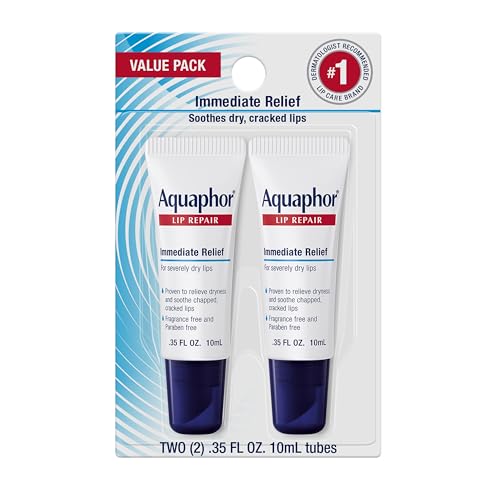
- Dermatologist Recommended: Aquaphor is the #1 dermatologist recommended lip care brand
- Relieves and Soothes: Aquaphor Lip Repair is clinically proven to relieve dryness and soothe chapped, cracked lips
- Free Of: Aquaphor lip balm for chapped lips is fragrance free and paraben free, and helps prevent dryness for long-lasti…
If your lips are past the “a little dry” stage and into the flaking, tight, won’t-stop-peeling stage, start here. Aquaphor Lip Repair is the product dermatologists name first, and the formula explains why: it pairs an occlusive (petrolatum) that seals the surface with a humectant (glycerin) that draws moisture in — two jobs instead of one. Shea butter, chamomile essence, and vitamins C and E round it out, and the whole thing is fragrance-free and paraben-free, which matters when lips are already irritated.
The texture is an ointment, not a waxy stick — glossier and heavier than most balms. That’s the point: the heavier seal is what keeps water from escaping while your lips recover. The two-pack is genuinely useful, because fall lip care works best when the balm is always within reach — one tube for your bag, one for your nightstand.
- Pros: Occlusive-plus-humectant formula; fragrance-free (safe for irritated lips); two-pack covers bag + bedside; from the #1 dermatologist-recommended lip care brand.
- Cons: Glossy, heavier finish isn’t ideal under matte lipstick; tube format is slower to apply than a twist-up stick.
- Fall tip: Swipe it on slightly damp lips before bed — sealing in existing moisture beats applying to bone-dry lips every time.
2. Best natural-ingredient pick: Burt’s Bees Original Beeswax (2 tubes)
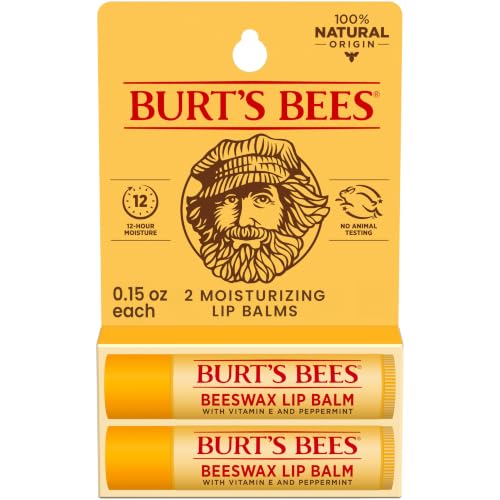
- MOISTURIZING LIP CARE: Bursting with minty freshness, this Burt’s Bees Beeswax Moisturizing Lip Balm refreshes and nouri…
- COOLING COMFORT: Made with responsibly sourced Beeswax plus Vitamin E and a hint of peppermint oil, Original Beeswax lip…
- MATTE FINISH: Just one swipe of this conditioning lip balm leaves your lips smooth and refreshed, while a tint-free matt…
For readers who read ingredient labels, this is the classic answer. The original Beeswax formula is built on beeswax — a natural occlusive — with peppermint oil for that familiar tingle, and the 100%-natural formula skips parabens, phthalates, petrolatum, and SLS entirely.
Be honest about the trade-off: beeswax seals well, but this formula has no humectant powerhouse like glycerin, so on truly cracked lips it maintains more than it repairs. It’s a maintenance balm, not a rescue balm — perfect for the reader whose lips are currently fine and wants to keep them that way through fall. If your lips are already cracked and stinging, the peppermint oil can irritate — start with the Aquaphor pick until they heal.
- Pros: 100% natural formula; beeswax occlusive barrier; classic original flavor; widely available and consistently affordable.
- Cons: Peppermint oil can irritate already-cracked lips; not the pick for a full-blown chapping emergency.
- Fall tip: The matte, tint-free finish layers cleanly under the fall lipstick shades in our fall lipsticks under $15 guide.
3. Best budget multi-pack: ChapStick Classic Original (3-pack)
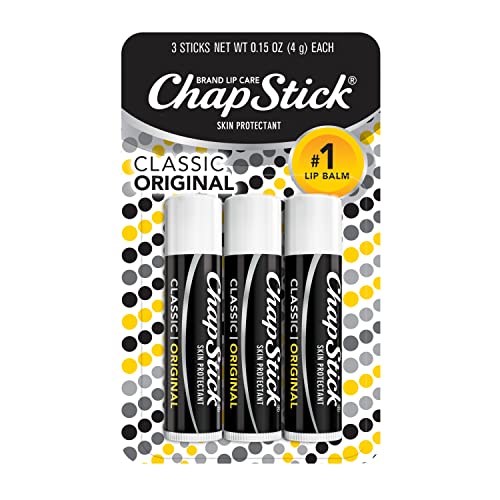
- One pack of 3 Chapstick tubes
- Keeps lips hydrated
- Portable and easy to apply when you need it most
Sometimes the right answer is the boring one. ChapStick Classic Original’s active ingredient is white petrolatum at 45% — a genuine occlusive, not just flavored wax — which is why the tube your grandmother used still works. The three-pack exists for the real fall strategy: one in your coat pocket, one in your bag, one on your desk. The best lip balm is the one you actually reapply, and you can’t reapply what you left at home.
The honest caveats: the formula includes camphor and fragrance, so if your lips are already cracked and stinging, this can irritate rather than soothe — reach for the Aquaphor pick instead until they heal. And “Original” means unflavored, not unscented; sensitive noses should know.
- Pros: Real petrolatum-based protection; three-pack enables the multi-location strategy; the lowest cost per tube on this list.
- Cons: Camphor + fragrance can sting damaged lips; waxy texture needs frequent reapplication in real wind.
- Fall tip: Apply before going outside, not after your lips already hurt — think of it like gloves for your lips.
4. Best for itching and burning: Blistex Lip Medex
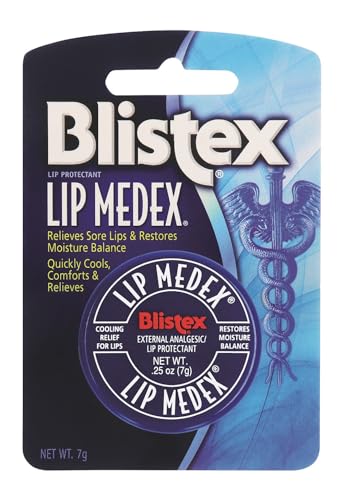
- For the temporary relief of pain and itching associated with minor lip irritation
- Temporarily protects and helps relieve chapped lips
- Helps protect lips from the drying effects of wind and cold weather
When fall’s damage goes past dryness into that raw, itchy, burning feeling — especially at the corners of the mouth — you want a balm aimed at the complaint itself. Lip Medex is the medicated pick: a cooling formula designed specifically to relieve the itching and burning sensation of chapped lips, and the relief is immediate on contact.
Here’s the part worth saying plainly: dermatology sources consistently warn that menthol and camphor — the ingredients behind the cooling sensation — can dry lips out with heavy repeated use, because the tingle masks what’s happening underneath. So use Lip Medex the way you’d use any strong remedy: for the uncomfortable days, not as the all-day-every-day driver. Pair it with an occlusive like Aquaphor for the hours in between, and it earns its place in the kit.
- Pros: Targets itching/burning specifically; cooling relief is immediate; compact stick format.
- Cons: Medicated scent; not a standalone moisturizer — needs an occlusive partner for real healing.
- Fall tip: If irritation hasn’t improved after two to three weeks of consistent care, that’s a dermatologist visit, not a stronger balm.
5. Best SPF daytime pick: ChapStick Moisturizer SPF 15 (3-pack)

- Includes 1 pack of 3 regular-size (0.15 oz.) tubes of ChapStick Lip Moisturizer Original flavor lip balm
- Fan-favorite flavors include Classic Original, Cool Mint and the latest addition Black Cherry.
- ChapStick Moisturizer 2-in-1 lip care delivers broad spectrum SPF15 sunscreen protection.
Fall sun still counts, and lips burn — the skin is thin and unprotected. This is the daytime-shield pick: the classic ChapStick stick with SPF 15 sun protection built in, in an unflavored three-pack that lives in your coat pocket all season. No frills, just moisture plus UV defense for the hours you’re out in it.
The honest framing: this is a maintenance and protection stick, not a rescue formula — for already-cracked lips, heal first with the Aquaphor pick, then protect with this. And like any SPF, it only protects if you reapply: every two hours in direct sun, or after eating and drinking.
- Pros: SPF 15 for daytime UV; classic unflavored formula; three-pack keeps one everywhere; under $4 for three sticks.
- Cons: Plain formula — no humectant boosters or botanicals; not a chapped-lip rescue on its own.
- Fall tip: Make it the first swipe before leaving the house each morning — the “apply before you go out” habit in stick form.

How we chose these 5
We started from the actual questions readers ask every fall — why balms seem to stop working, whether SPF matters in October, and what to do when lips are already cracked — then looked for products that answer each one. Every pick had to clear three gates: (1) a real, currently listed Amazon product findable by title or ASIN, (2) a displayed price under $10 at verification time, and (3) a distinct job in the routine, so no two picks compete for the same slot. We cut anything over budget, anything with no displayed price, and anything whose formula was essentially scented wax with no occlusive ingredient. What we didn’t do: lab-test these ourselves or invent ratings — ingredient notes above come from the brands’ own labels and drug-facts listings, and the “best for” labels describe the formula’s intended use, not a personal trial.
Fall lip-care tips that matter more than which balm you buy
The right product helps, but habits decide whether fall wins. These come straight from dermatology guidance, and most of them are free:
- Apply before you go out, not after. A balm is a shield, not a rescue crew. Layer it on before the wind hits, the way you’d put on gloves.
- Stop licking your lips. It feels soothing for ten seconds; saliva evaporates fast and strips the oils your lips were holding onto, leaving them drier than before.
- Seal at night. A thick occlusive layer on slightly damp lips before sleep does more than five daytime applications. This is the single highest-ROI habit on the list.
- Exfoliate gently, rarely. Once a week at most: a soft washcloth with warm water, or a pinch of sugar mixed with honey, rubbed gently for 30 seconds. Never scrub cracked lips — you’ll open them up.
- Drink water and humidify. Indoor heating is the silent partner in fall chapping. A bedroom humidifier is unglamorous and extremely effective.
- Watch the tingle. If a balm stings or burns on application, it’s irritating already-damaged lips — switch to a fragrance-free occlusive until they heal. Menthol, camphor, eucalyptus, and strong fragrances are the usual suspects.
- Don’t pick the flakes. Picking and biting delay healing and can crack lips deeper. Balm over the flake, not fingers at it.
For the full-face version of this seasonal reset, our fall skincare routine under $30 covers cleansers through moisturizers at the same budget.
FAQs
Why do my lips get chapped more in fall than in summer?
Fall combines the three things lips handle worst: colder air, lower humidity, and wind — plus indoor heating that dries the air further once you’re inside. Lips have no oil glands and very thin skin, so they lose water fast and can’t replace it on their own. Summer’s humidity was quietly doing half your lip care for you.
Can lip balm actually make chapped lips worse?
Yes — the wrong one can. Balms built around menthol, camphor, phenol, or heavy fragrance deliver a satisfying tingle but can dry lips further with repeated use, creating a reapply-chap-reapply cycle. If your balm stings on cracked lips, switch to a fragrance-free occlusive (petrolatum- or beeswax-based) until they heal.
Should my lip balm have SPF in the fall?
It’s smart, not essential. Lips burn — the skin is thin and unprotected — and fall sun plus wind is still UV exposure. An SPF 15 lip balm (like the ChapStick Moisturizer pick below) is convenient daytime protection, but it doesn’t replace sunscreen on the rest of your face.
What’s better for cracked lips — a stick, a tube, or an overnight mask?
For cracked lips, format matters less than formula: you want a heavy occlusive (petrolatum-based ointment) applied thick and left alone. Overnight is the ideal window — hours of uninterrupted sealing while you sleep beats any daytime stick. Once lips heal, a stick is fine for maintenance.
How often should I reapply lip balm in cold weather?
Every 2–3 hours during the day, plus before going outside and before bed. Reapply after eating, drinking, or wiping your mouth. If you find yourself reapplying every 20 minutes with no improvement, the formula isn’t sealing — upgrade to a heavier occlusive rather than applying more of the same.
Do I need to exfoliate my lips before using balm?
Gently, and rarely. A once-a-week light exfoliation (soft washcloth, or sugar + honey for 30 seconds) removes dead flakes so balm can actually reach the skin underneath. Daily or harsh scrubbing on damaged lips causes micro-tears and makes chapping worse. If your lips are cracked and sore, skip exfoliation entirely until they heal.
The bottom line
Fall doesn’t have to mean three months of flaky, stinging lips. The formula is simple: a heavy occlusive for rescue and nighttime sealing, a natural beeswax stick for everyday maintenance, a medicated stick for the rough days, and an SPF stick for daytime protection. All five picks above cost under $10 — and if you buy just two, make them the Aquaphor Lip Repair and the ChapStick Moisturizer SPF 15. Your February self will thank your October self.
Building the rest of your fall kit on the same budget? Our beginner makeup kit under $50 and hair tools under $30 worth buying guides keep the whole routine affordable.

1 response