
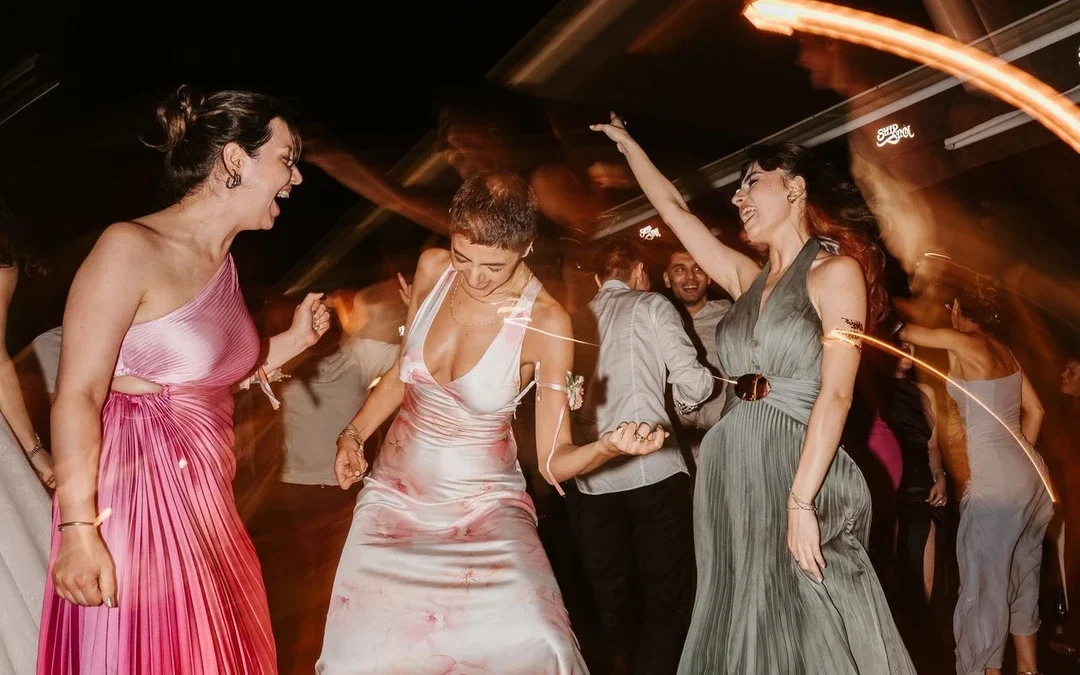
The invitation arrives, it’s beautiful, and at the bottom in small italics it says “cocktail attire.” Now what? If you’re staring at your closet wondering what cocktail attire for a wedding guest actually means — how dressy, how long, which fabric, which colors are safe — you’re asking the exact question most guests ask. Cocktail attire is the most common dress code on American wedding invitations, and also the most misread, because it sits in the middle of the formality ladder: dressier than a daytime party, not as formal as black tie.
Here’s the short answer before the detail: cocktail attire for a wedding guest means a knee-length to midi dress in a dressy fabric — satin, crepe, lace, velvet, or a tasteful sequin — with a heel or a dressy flat and one statement accessory. A dressy jumpsuit counts too. What it doesn’t mean is a floor-length ballgown, a sundress, or anything white. This guide decodes the code first — the three rules, the ladder, and how to read the venue, time, and season off the invitation — and then gives you 8 wedding guest outfits under $50 on Amazon, organized by the situation you’re actually dressing for: an evening city wedding, a daytime garden wedding, or a winter wedding.
As an Amazon Associate I earn from qualifying purchases.
What Cocktail Attire Actually Means: The Three Rules
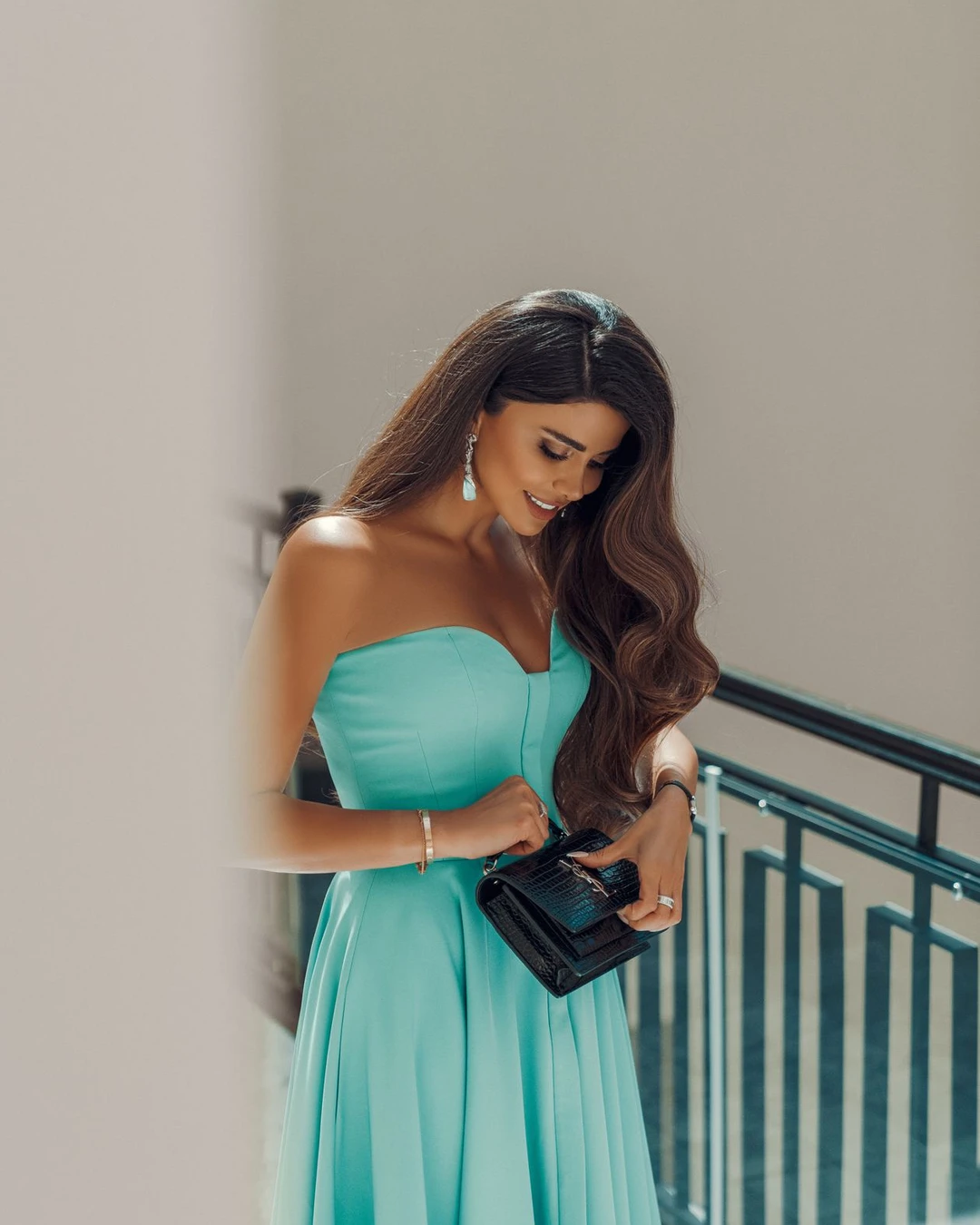
Cocktail attire is a dress code with a formality level that falls between semi-formal and black tie. For women at a wedding, it usually means a knee-length or midi cocktail dress, a dressy jumpsuit, or polished separates. The confusion comes from the fact that the code is defined by three things at once — length, fabric, and finish — and getting any one of them wrong is what makes an outfit miss. Learn the three rules and you can shop any product page with confidence.
Rule 1: length — knee to midi. The classic cocktail length runs from just above the knee to midi or tea length (mid-calf). A midi is the modern default, and it photographs better than a true knee-length on most people, so if you’re torn between two lengths, go longer. A considered mini can work for an evening party if the fabric is formal and the cut is clean — a sequin shift reads cocktail; a stretchy bodycon mini reads night out. A floor-length gown is usually more than the code asks for; a simple column or slip maxi in a matte fabric can work at an evening wedding, but a ballgown with a train will look like you missed the memo.
Rule 2: fabric does the heavy lifting. This is where most guests go wrong, and it’s the single clearest difference between cocktail and semi-formal. A jersey knit midi and a satin midi are the same silhouette and two different dress codes. Cocktail wants an evening fabric: satin, crepe, lace, velvet, jacquard, chiffon with structure, or a tasteful sequin. Cotton, casual jersey, linen, and seersucker read daytime no matter how nice the cut. The easy test on a product page: does the dress have structure somewhere — a lined bodice, a defined waist seam, a bit of body in the skirt? If it hangs like a T-shirt, it’s a daytime dress.
Rule 3: finish — one statement, not five. Cocktail attire is festive, not quiet. Jewel tones, rich florals, sequins, and texture are all welcome — the code was meant to have a touch of glamour. But the finish should come from one place: a statement earring, a bold color, a sequin bodice, or a sleek heel. When the dress, the shoes, the bag, and the jewelry are all shouting, the look tips from cocktail into costume.
The formality ladder, in one table
| Dress code | Formality | What it means for a wedding guest |
|---|---|---|
| Casual / garden party | Lowest | Sundress, dressy separates; no tie needed |
| Semi-formal | Medium | Knee-length or midi dress in a good fabric; simpler finish, tie optional |
| Cocktail | Medium-high | Knee-length or midi dress, or a dressy jumpsuit, in an evening fabric; heel + one statement piece |
| Black tie optional | High | Floor-length gown or a very dressy midi; a formal cocktail dress also works |
| Black tie | Highest | Floor-length evening gown; tuxedo |
Cocktail and semi-formal overlap almost entirely — the practical difference is timing and finish. Semi-formal leans daytime and restrained; cocktail leans evening and festive. If the invitation says semi-formal and you dress for cocktail, you’ll be slightly overdressed, which is the correct direction to be wrong in. Cocktail attire is often described as the evening, party end of the semi-formal code.
How to Read the Invitation: Venue, Time, and Season
The two words on the invitation are shorthand for three things the couple already knows and you don’t: the time of day, the venue’s floor, and how formal the wedding party will look standing next to you. Read those three clues and the code translates itself.
Evening city or hotel wedding (the most common cocktail wedding). After 4 p.m., indoors, hard floors. This is cocktail at its most classic: a satin or sequin midi, a jewel tone, a heel. Black is completely fine here — a black cocktail dress is one of the most versatile things you can own — as long as the fabric or accessories keep it festive rather than somber. Picks 2, 3, 4, and 5 below are built for this room.
Daytime or garden wedding. Before 4 p.m., outdoors or with an outdoor ceremony. The code is the same, but the finish softens: lighter fabrics, floral prints, pastels, a block heel or dressy flat that won’t sink into grass. Sleeves are a kindness in the shade. Picks 7 and 8 below are the daytime lane — and if the ceremony is on grass, skip the stiletto whatever you wear.
Winter wedding. November through February changes the fabric math: velvet, heavier crepe, and long sleeves stop being optional and start being the point. A 3/4-sleeve midi (pick 6) reads instantly right at a winter cocktail wedding, and a tailored coat over the dress looks chic rather than bundled. For more cold-weather ideas, see our winter wedding guest dresses under $50 guide.
Church ceremony inside a cocktail wedding. If the ceremony is in a church and the reception is cocktail, cover your shoulders for the ceremony — a wrap, a blazer, or a sleeved dress — and you can lose the layer at the reception. A midi reads more appropriate than a mini in a religious setting, whatever the invitation says.
No code listed at all. Default to cocktail. A midi in a good fabric is correct at most weddings and almost never looks out of place. If you’re still unsure, match the venue: church means modest, barn means sturdy shoes, city means cocktail.
What Not to Wear to a Cocktail Wedding
Some of these are etiquette, some are just physics. All of them are easier to avoid than to recover from.
- White, ivory, cream, and very pale champagne. Reserved for the couple unless the invitation specifically asks guests to wear white. This includes pale blush and very light gray, which can photograph as white under flash. A white-based floral print is fine; a solid white dress is not.
- Anything that could be mistaken for a bridal look. A white lace midi, a full tulle skirt, a train — even in a color, a bridal silhouette upstages the couple.
- A floor-length ballgown. Save it for black tie. A simple slim maxi is the only long exception — best at an evening wedding, though a light floral maxi works at a daytime garden wedding.
- Casual fabrics and casual pieces. Jeans, T-shirts, sneakers, flip-flops, cotton sundresses, and athleisure don’t become cocktail with a blazer on top.
- A club mini. Above mid-thigh in a stretchy fabric reads night out, not reception. If the hem is short, the fabric and the cut have to be unmistakably formal.
- Too much sparkle in daylight. Full sequin at a 2 p.m. garden ceremony looks out of place; save the sequin picks for evening.
- The couple’s requested palette, ignored. If the invitation names colors, that overrides everything here — including black.
The 8 Outfits: Comparison Table
Every pick below is a real Amazon listing. Prices were verified at publish time and every pick is under $50.
| # | Outfit | Best for | Price |
|---|---|---|---|
| 1 | GRACE KARIN Wrap V-Neck Ruched A-Line Midi | Any venue, any season | $44.99 |
| 2 | GRACE KARIN Mock-Neck Double-Breasted Bodycon Midi | Evening city wedding | $39.99 |
| 3 | GRACE KARIN Spaghetti-Strap Ruched Bodycon Mini | Evening, party-forward | $20.99 |
| 4 | ZESICA Sleeveless Floral Ruched Bodycon Midi | Evening, floral | $29.99 |
| 5 | PRETTYGARDEN Satin Backless Midi Cocktail Dress | Evening, satin | $19.99 |
| 6 | DRESSTELLS A-Line Midi, 3/4 Bell Sleeves | Church-friendly, sleeves | $29.99 |
| 7 | MEROKEETY Square-Neck Floral Mesh Ruffle Midi | Daytime to evening | $47.99 |
| 8 | ZESICA Halter-Neck Floral A-Line Maxi | Daytime / garden | $49.99 |
For an Evening City or Hotel Wedding
2. GRACE KARIN Mock-Neck Double-Breasted Bodycon Midi — the polished sheath

This is the pick for the guest who wants to look considered without trying visibly hard. The mock neck and double-breasted front buttons give it a tailored, almost office-polished structure, while the bodycon midi cut and center back slit keep it firmly evening. It hits below the knee, has a hidden back zip, and the fabric is moderately stretchy and anti-wrinkle — useful when you’re sitting through a ceremony, standing through photos, and dancing at the reception in the same dress.
- Pros: structured mock neck reads expensive; anti-wrinkle fabric survives a long day; below-knee length is ceremony-safe.
- Cons: bodycon fit means sizing up is wise if you’re between sizes; the double-breasted front is a look — if you dislike button detail at the waist, skip it.
- Fit note: the center back slit helps the midi length walk and sit; pair with a heel rather than a flat to keep the sheath proportion.
3. GRACE KARIN Spaghetti-Strap Ruched Bodycon Mini — the party-forward pick

A ruched V-neck bodycon in black, cut to mid-thigh with spaghetti straps. This is the most party-forward pick in the guide, and it works because the ruching and the V-neck give it shape while the black keeps it grounded. It is an evening-only pick: after 4 p.m., indoors, with a heel and a clutch.
- Pros: ruching is forgiving across the waist; black goes with any shoe and bag you already own; the V-neck elongates.
- Cons: mid-thigh length is too short for a church ceremony and too bare for a daytime wedding — save it for the evening reception; spaghetti straps mean planning your underpinnings.
- Fit note: if the ceremony and reception are in the same room, bring a wrap for the ceremony portion.
4. ZESICA Sleeveless Floral Ruched Bodycon Midi — the floral, done bold

A sleeveless floral midi in a bold floral print, ruched through the bodice with a bodycon fit. This is the pick for a guest who wants the floral — but not the float. It photographs as a statement, not a background, and the ruched bodice forgives a waist that doesn’t want to be cinched. In a black floral, the print reads evening; the same shape in a lighter colorway would read garden. We kept the black here because it’s the colorway that matches the rest of the evening picks.
- Pros: the ruched bodice is forgiving across the waist; the floral print photographs beautifully; the midi length is the modern cocktail default.
- Cons: bodycon fit means the size chart is not optional; sleeveless means planning a layer for church or a cold room; the floral print varies by colorway, so check the product photos in the color you’re buying.
- Fit note: the fitted cut sits close through the hip — sit down in it before the wedding day, or at least before the reception.
5. PRETTYGARDEN Satin Backless Midi Cocktail Dress — the one-shoulder satin pick

A one-shoulder satin midi in dark green, backless, with a ruched waist. One-shoulder dresses are the comeback shape, and satin is the fabric that makes the shape read evening: the single shoulder does the statement work, so the rest of the outfit can stay simple — a small bag, a heel, one earring. It is an evening pick, for a guest who wants to look considered without a dress that shouts.
- Pros: satin reads evening instantly; the one-shoulder neckline is the statement, so the jewelry stays quiet; the midi length is ceremony-safe.
- Cons: backless means planning your underpinnings; one shoulder plus a necklace is a styling clash — pick earrings instead; satin shows every crease, so keep the dress hanging, not folded, before the day.
- Fit note: the one-shoulder cut means the bodice fit matters more than the overall length — check the size chart against your measurements rather than your usual size.
The Midi That Works Almost Anywhere
1. GRACE KARIN Wrap V-Neck Ruched A-Line Midi — the safest pick in the guide

If you buy one dress from this guide, buy this shape. A wrap V-neck with a ruched bodice and an A-line skirt that hits mid-calf, sleeveless, with a zipper back and stretchy fabric. It is the definition of the cocktail middle: dressy enough for an evening hotel wedding, soft enough for a daytime one, and the wrap waist means it fits more body types than a sheath ever will.
- Pros: the wrap V-neck flatters nearly everyone; ruched bodice adds structure without stiffness; mid-calf length is the modern cocktail default.
- Cons: sleeveless means a wrap or blazer for a church ceremony or a cold room; the V-neck depth varies by size, so check the product photos in your size.
- Fit note: the A-line flare starts at the waist — pair with a heel to keep the midi proportion long.
6. DRESSTELLS A-Line Midi, 3/4 Bell Sleeves — the modest, sleeved option

A V-neck A-line midi with 3/4 bell sleeves, in black, in sizes S to 3XL. This is the pick for a church ceremony, a winter wedding, or any guest who wants her arms covered without reaching for a separate layer. The bell sleeve is the statement piece, so the rest of the outfit can stay simple: a small bag, a heel, one earring.
- Pros: sleeves solve the church and cold-room problems in one piece; the A-line skirt is sit-and-dance friendly; wide size range.
- Cons: bell sleeves and a buffet line are not friends — push them up when you eat; the modest cut can read reserved at a very glamorous evening wedding, so add a bolder earring there.
- Fit note: the 3/4 sleeve hits at the forearm — a bracelet stacks nicely above it.
For a Daytime or Garden Wedding
7. MEROKEETY Square-Neck Floral Mesh Ruffle Midi — the garden-party floral

A square-neck floral midi in a mesh fabric with a ruffle hem, sleeveless, in black and other colors. The square neck is the detail that makes it feel current, and the ruffle hem gives it movement for outdoor photos. It is a daytime-to-evening bridge: the floral keeps it garden-appropriate, and the black colorway carries it into the evening.
- Pros: the square neckline is flattering and bra-friendly; ruffle hem moves beautifully in photos; mesh with stretch lining is comfortable for a long outdoor day.
- Cons: the mesh is a warm-weather fabric — not a winter pick; the floral print varies a lot by colorway, so check the product photos in the color you’re buying.
- Fit note: the ruffle hem adds volume at the knee — a block heel balances it better than a stiletto on grass.
8. ZESICA Halter-Neck Floral A-Line Maxi — the easy daytime pick

A halter-neck floral A-line maxi that flows rather than clings. Note: this is the guide’s one long pick — the listing’s own title calls it a maxi — and it earns its place at a daytime garden wedding because it’s a light, flowy floral A-line, not a formal gown. The halter is the most forgiving neckline in the guide for a daytime wedding: it shows shoulders without a strapless worry, and the A-line skirt moves in a breeze instead of fighting it. In a light green or soft floral, it’s the closest thing here to a garden-party uniform — which is exactly what a daytime cocktail wedding wants.
- Pros: halter neckline stays put all day; A-line skirt is the most comfortable silhouette for sitting on grass or gravel; flowy fabric photographs well outdoors.
- Cons: halter + a necklace is a styling clash — pick earrings instead; the flowy cut can look less structured indoors at night, so save it for daytime.
- Fit note: tie the halter to your comfort, not to the model’s — the neckline depth is adjustable by design.
How We Chose These 8 Outfits
Every pick started from the dress code, not from a bestseller list. We filtered for knee-length to midi (with one light floral maxi for daytime garden weddings), evening fabrics, and silhouettes with structure: a lined bodice, a defined waist, or a bit of body in the skirt. We excluded white, ivory, and cream entirely, excluded floor-length ballgowns and bridal-looking silhouettes, and excluded casual fabrics like cotton or jersey. We preferred brands that have repeatedly survived our price checks — GRACE KARIN, ZESICA, DRESSTELLS, MEROKEETY, and PRETTYGARDEN — and older listings over brand-new ones. Prices were verified at publish time through the Hostinger Affiliate Marketing Tools plugin, and every pick in the final article costs under $50; anything that came back over $50 or without a displayed price was cut. No ratings, review counts, or testing claims are stated anywhere in this article, because none were independently verified.
Shopping Tips for a Cocktail-Attire Wedding
- Buy the shoes first, then the hem. A midi that hits mid-calf in flats hits the knee in heels. Try the dress on with the shoes you’ll actually wear.
- Check the fabric, not just the photo. Filter product pages for satin, crepe, lace, velvet, or sequin. If the listing says jersey or cotton, it’s the wrong dress for this code.
- Sit down in it before the day. A bodycon midi that looks perfect standing can ride up badly when you sit through a ceremony. Sit, stand, and walk in it at home.
- One statement, not five. Pick the dress, the earring, or the shoe to be the star. If the dress has sequin, the jewelry stays quiet.
- Bring a layer. A wrap, a blazer, or a tailored coat covers shoulders for church, warms a winter evening, and turns one dress into two looks.
- Mind the bag. A clutch or a small structured bag reads cocktail; a tote or a crossbody reads errands. You don’t need an expensive one — you need a small one.
- Order early, keep the tags. Cocktail dresses sell out in popular sizes before wedding season peaks. Order two sizes if you’re between them and return the one that doesn’t fit.
Frequently Asked Questions
What does cocktail attire mean for a wedding guest?
Cocktail attire means a knee-length or midi dress with some structure — a defined waist, a lined bodice, a fabric like crepe, lace, satin, or velvet. A fit-and-flare, sheath, A-line, or wrap midi with a heel is the reliable interpretation at nearly any American wedding. A dressy jumpsuit counts too. Skip floor-length gowns, which read black tie, and skip casual fabrics like jersey or cotton.
Can you wear a long dress to a cocktail wedding?
You can, and plenty of guests do, but a full ballgown will look dressier than the room. If you want length at a cocktail wedding, choose a simple column or slip maxi in a matte fabric rather than a formal gown with a train or heavy embellishment. A midi remains the most accurate read of the code — and the safest choice if you’re unsure.
Can you wear black to a cocktail wedding?
Yes. Black is widely accepted at American weddings, including daytime ones, and a black cocktail dress is one of the most versatile things you can own. The exceptions are a stated color palette from the couple and certain cultural or religious traditions where black carries different meaning — worth a quick check with the couple if you’re unsure. At an evening wedding, add color or texture through accessories or fabric so the look feels celebratory.
What is the difference between cocktail and semi-formal attire?
Both call for a dressy knee-length or midi dress, and most guests dress for the two the same way. The difference is timing and finish: semi-formal is a little more restrained and covers daytime events, while cocktail is the festive, evening end of the same code — richer fabrics, bolder color, a statement accessory. Cocktail is the evening, party end of the same semi-formal code. If you dress for cocktail at a semi-formal event, you’ll be slightly overdressed, which is the correct direction to be wrong in.
What should you not wear to a cocktail wedding?
Skip anything white, ivory, or cream; anything that looks like a wedding dress; a floor-length ballgown; and anything casual — jeans, T-shirts, sneakers, flip-flops, cotton sundresses. Also skip a club mini in a stretchy fabric, and full sequin at a daytime ceremony. And if the invitation names a color palette, follow it over every other rule here.
Can you wear a jumpsuit to a cocktail wedding?
Yes. A dressy jumpsuit in an evening fabric — crepe, satin, or a structured knit — with a defined waist and a heel reads as intentional cocktail attire, not underdressed. Choose a wide-leg or tailored cut, avoid casual fabrics like linen or jersey, and keep the accessories polished: a clutch, a heel, one statement piece. It’s often the most comfortable outfit in the room, and it photographs well.
The Bottom Line
Cocktail attire is not a mystery once you know the three rules: knee to midi, an evening fabric, and one statement finish. Read the invitation for the venue, the time, and the season, and the code translates itself — satin and florals for an evening city wedding, florals and a block heel for a garden one, and sleeves for winter. All 8 outfits in this guide cost under $50, and every one of them follows the same rules this guide teaches, so you can shop the list or shop the rules with equal confidence. The dress code is the couple’s way of setting the temperature of the room; match it, add one thing that’s unmistakably you, and you’ll be the guest who got it exactly right.
Related reading: if the wedding is seasonal, start with our fall wedding guest dresses under $50 guide; for a general-audience dress-code decoder with a different audience lens, see what to wear to a wedding over 50; and if you’re short, our petite wedding guest dresses under $50 guide covers the same occasions with hem math for short frames.

4 responses