

If you are 5’4″ or under, you already know the problem with petite winter coats: most winter coats are not made for you. The sleeves cover your knuckles. The shoulder seam hangs halfway down your arm. The hem lands at the widest part of your calf, and a puffer adds width at every point, so the coat wears you instead of the other way around. The coat might be warm, but if it swallows your frame, you will not reach for it — and a coat you do not wear is not a bargain at any price.
This guide is different from a plain roundup. Every one of the 11 petite winter coats under $100 below is judged the same way: by where its seams land on a short frame. You will get a 60-second fit check you can run on any coat before you buy it, the hem rules that keep a short frame looking balanced, and the warmth trade-offs between wool-blend coats, puffers, and parkas — so you can pick the right coat for commuting, snow days, work, or weekends, and know why it works.
As an Amazon Associate I earn from qualifying purchases.
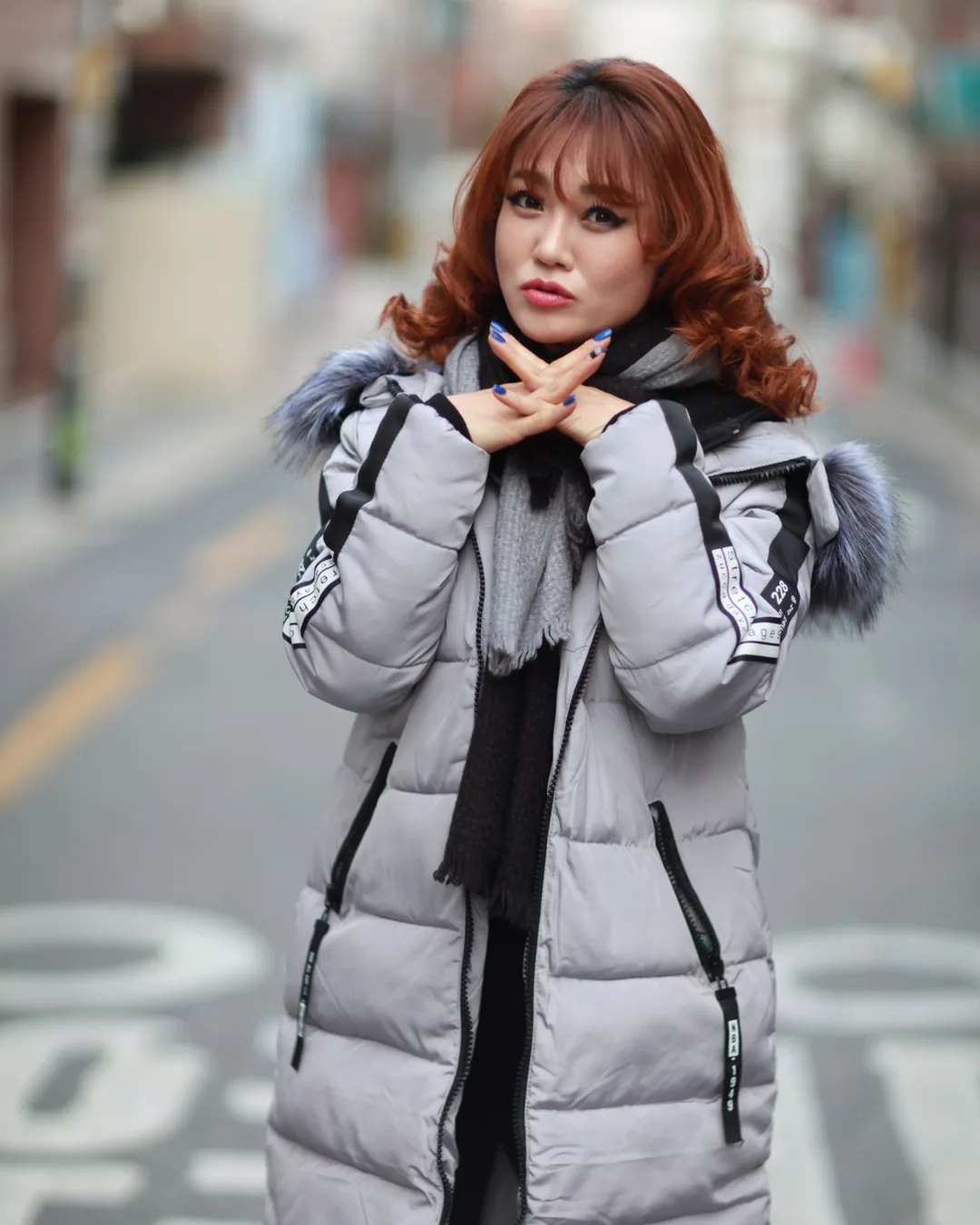
The 60-Second Coat Fit Check (Do This Before You Buy)
A coat that fits a petite frame passes five checks. Run them in order — if a coat fails the first two, the rest does not matter, because shoulders and sleeves are the hardest and most expensive parts to alter.
1. The shoulder check. The shoulder seam should sit exactly at the edge of your shoulder bone, where your arm starts to curve down. If it droops onto your upper arm, the whole coat reads a size too big, no matter what the label says. This is the single most important fit point on any petite winter coat, and it is the reason a true petite cut beats a regular coat sized down to XS: a smaller regular coat still has armholes that sit too low and a waistline that hits too far down your torso.
2. The sleeve check. The sleeve should end at your wrist bone, or about half an inch past it — enough to cover your wrist and still show your hand. Sleeves that cover your knuckles are the classic tell of a coat cut for a taller frame. A 3/4 sleeve or a ruched sleeve can also work well on a short frame, because it gives you flexibility without the extra length.
3. The hem check. This is where most petite winter coats go wrong, and it is the check that matters most for how tall you look. The sweet spot for most short frames is mid-thigh to just above the knee: it covers your core and upper legs, keeps you warm, and still shows enough leg to keep your proportions balanced. Hip-length coats are the easiest casual option. A knee-length coat works when it ends one to two inches above the top of your kneecap. A midi coat can work too — but only if the hem stops at the narrowest part of your calf, just below the muscle. If it lands at the widest part of your calf, the leg looks shorter and heavier, and no amount of styling fixes it.
4. The waist check. If the coat has a belt, a waist seam, or a drawcord, it should sit at your natural waist, not on your hips. A belted or nipped-in waist is one of the best tools for keeping a heavy winter coat from looking like a sleeping bag on a short frame. Wrap coats and belted puffers earn their place on this list for exactly this reason.
5. The pocket check. Pockets should sit where your hands naturally fall, not halfway down your thighs. On a coat cut for a taller frame, the pockets drop with everything else — and low pockets pull the whole silhouette down with them.
One more rule before the picks: buy for the length on your body, not the length on the label. A “mid-length” coat designed to hit mid-thigh on a taller woman lands at just the right height on a 5’3″ frame. And a cropped puffer — the kind that sits at the waist on a taller woman — lands at a regular jacket length on a short frame. That is not a compromise; it is the brand doing the shortening for you. One of the picks below uses exactly that trick.
The 11 Petite Winter Coats at a Glance
| Coat | Type | Best for | Price |
|---|---|---|---|
| Amazon Essentials Packable Hooded Puffer Coat | Packable puffer | Everyday + travel | $41.66 |
| Amazon Essentials Quilted Sherpa-Lined Puffer Jacket | Quilted puffer | Mild-winter days | $45.60 |
| Amazon Essentials Cropped Puffer Jacket | Cropped puffer | The petite-length hack | $41.30 |
| Amazon Essentials Long Cocoon Puffer Coat | Long puffer | Full coverage | $55.20 |
| MOERDENG Fleece-Lined Snow Parka | Snow parka | Snow days | $59.99 |
| MOERDENG Waterproof Faux-Fur Hooded Parka | Waterproof parka | Wet snow + wind | $59.49 |
| chouyatou Notched Collar Wool Blend Overcoat | Wool-blend overcoat | Polished everyday | $57.99 |
| chouyatou Belted Wool Pea Coat | Belted wool coat | Work + dressier days | $53.90 |
| chouyatou Midi Wool Trench Coat with Belt | Midi wool coat | Long + defined | $53.39 |
| CHARTOU Long Wool Pea Coat with Belt | Mid-calf wool coat | The long look | $43.28 |
| Tanming Hooded Wool Pea Coat | Hooded wool coat | Cold + windy days | $58.07 |
Prices verified on the day of publishing via the Amazon listings linked below; they can change, so check the listing before you buy. Every coat on this list is under $100 at the time of verification.
Everyday Packable Puffers: The Coats You’ll Reach For Daily
1. Amazon Essentials Women’s Lightweight Water-Resistant Packable Hooded Puffer Coat
This is the everyday workhorse of the list — a lightweight, water-resistant packable puffer with a hood, in sizes from XS to 6X. It folds down into its own carrying bag, which makes it the easiest coat here to throw in a suitcase or a tote, and the hooded, full-zip shape is the one most short frames reach for on ordinary winter days.
Why it works on a petite frame: the packable weight keeps the bulk down, which is half the battle with puffers on a short frame, and the hood adds warmth without a separate hat-and-scarf negotiation. The regular length lands around the hip on most wearers, which is the easiest casual length in the fit check above.
Fit notes: check the listing’s size chart rather than Amazon’s generic one, and look at the stated length for your size before ordering — on a 5’2″ frame this reads as a hip-length coat, which is exactly where you want it. If you plan to layer a thick sweater underneath, consider whether you want the extra room or the neater line; the coat’s own room is part of the decision, not an afterthought.
Pros: packs into its own bag for travel; water-resistant shell for wet snow; hood included; wide size range.
Cons: lightweight fill means it is a mild-to-moderate winter coat, not a deep-freeze parka; no belt or waist shaping, so the silhouette is straight.

2. Amazon Essentials Women’s Lightweight Quilted Full-Zip Water-Resistant Sherpa-Lined Hooded Puffer Jacket
The quilted puffer is the in-between coat: warmer than a shell, lighter than a parka. This one has a nylon shell, a sherpa fleece lining through the body and the pockets, a full zip, and a hood — and the onion-quilting pattern gives it a more feminine line than a plain channel-quilted puffer, which matters when quilting is what usually adds visual width.
Why it works on a petite frame: the sherpa lining does the warming so the fill does not have to be thick, which keeps the silhouette slimmer than a heavily stuffed puffer. The hip-length cut is the easiest length to wear, and the hood’s bungee adjustment lets you cinch it close on windy days.
Fit notes: the sherpa lining stops at the sleeves, so plan a long-sleeve layer underneath on the coldest days. The full-zip front and elasticized cuffs help keep cold air out at the two places a short frame usually loses it — the wrists and the neck.
Pros: sherpa lining adds warmth without bulk; water-resistant; hood with adjustment; flattering quilted shape.
Cons: midweight only — not the pick for sub-zero wind; sherpa lining does not extend into the sleeves.

3. Amazon Essentials Women’s Cropped Full-Zip Puffer Jacket
Here is the petite-length hack in action. This is a cropped full-zip puffer, available in a quilted matte or a sherpa fleece finish — and on a short frame, a cropped cut that would sit at the waist on a taller woman lands at a regular jacket length instead. That one detail solves the length problem that ruins so many puffers for petite women: no dragging hem, no swallowed hips, and the coat ends where a jacket should.
Why it works on a petite frame: the cropped length keeps your legs visible, which protects your proportions, and it is easy to wear sitting in a car or on a commute — no bunching when you sit down. It pairs naturally with high-waisted jeans and long skirts, where the short jacket and the long bottom balance each other.
Fit notes: this is the coat to choose when you want warmth without coverage — it will not keep your hips warm the way a mid-thigh coat does, so it suits milder winter days and layered outfits rather than standing at a bus stop in a snowstorm. Check whether the quilted matte or the sherpa fleece finish suits your layering; the sherpa reads cosier, the matte reads sleeker.
Pros: the cropped length is a genuine petite advantage, not a compromise; easy to sit and drive in; two finishes to choose from.
Cons: short length means less coverage in deep cold; no hood on this style, so add a hat or scarf on windy days.

Long Puffers for Real Cold: Coverage Without the Sleeping-Bag Look
4. Amazon Essentials Women’s Lightweight Full-Zip Water-Resistant Long Cocoon Puffer Winter Coat
When the temperature drops properly, a hip-length jacket stops being enough — you want coverage over your thighs, and that is what a long cocoon puffer gives you. This one is a full-zip, water-resistant long puffer in a cocoon shape, which is a softer, more forgiving line than a straight column coat.
Why it works on a petite frame: the cocoon shape narrows toward the hem rather than flaring, so the length reads deliberate instead of dragging — but this is a long coat, so run the hem check carefully. On a short frame it will land lower than on the model, so check the listing’s stated length for your size and make sure it stops above the widest part of your calf. Paired with knee-high boots, a long puffer keeps the leg line long instead of cutting it.
Fit notes: long coats and petite frames can work together, but only with a defined shape — wear it zipped with the collar up and the silhouette stays clean. If you are under 5’2″, pay extra attention to the length: if the hem passes the narrowest part of your calf, size down or choose one of the mid-thigh picks instead.
Pros: full thigh coverage for real cold; water-resistant; full zip for easy on and off over layers.
Cons: long length needs the hem check more than any other pick here; cocoon shape can read wide if the shoulders are too big — check the shoulder seam first.

5. MOERDENG Women’s Warm Winter Puffer Coat, Thicken Fleece Lined Down Jacket with Faux Fur Detachable Hood (Snow Parka)
This is the snow-day coat: a thickened, fleece-lined down jacket with a faux-fur detachable hood, built as a snow parka. The fleece lining is the feature that separates it from the lightweight puffers above — it adds a layer of warmth that does not depend on the fill alone, which is what you want when you are standing outside in falling snow rather than dashing between a car and a door.
Why it works on a petite frame: the detachable faux-fur hood gives you the option to take the bulk off the top of the coat on milder days, and the fleece lining means the coat stays warm even when the quilting is not overstuffed. The parka length covers the hips, which is the coverage that matters most when wind finds the gap between your coat and your jeans.
Fit notes: a fleece-lined parka is heavier than a packable puffer, so try it over the sweater you actually wear in January, not over a T-shirt. The hood is detachable, so check the fit with it on and off — the neckline should sit cleanly both ways.
Pros: fleece lining for real snow-day warmth; detachable faux-fur hood; parka coverage over the hips.
Cons: heavier than the packable picks; the parka styling reads casual, so it is not the work-appropriate pick.

6. MOERDENG Women’s Winter Puffer Coat, Thicken Fleece Lined Down Jacket, Waterproof, Faux Fur Detachable Hooded Parka
The waterproof sibling of the pick above, for the days when the snow is wet and the wind is sideways. Same thickened fleece lining and detachable faux-fur hood, with a waterproof shell — the combination that matters when a wool coat would soak through and a lightweight puffer would let the wind in.
Why it works on a petite frame: waterproofing is the feature petite shoppers most often overlook and most often end up needing, because a soaked coat gets heavier and colder as the day goes on. The hood is the other half of the equation: a real hood, worn up, protects the neck and ears that a collar alone leaves exposed, and on a short frame the hood’s size matters — too big and it swallows your head, so check that it sits close when cinched.
Fit notes: waterproof shells do not breathe the way wool does, so this is a cold-and-wet-days coat rather than an all-day indoor coat — you will want to take it off inside rather than wearing it through a long lunch. Layer a thin sweater underneath rather than your thickest knit, and let the fleece lining do the work.
Pros: waterproof shell for wet snow and rain; fleece lining; detachable faux-fur hood.
Cons: waterproof shells run warmer indoors, so it is not an all-day wear; parka styling is casual rather than polished.

Wool-Blend Overcoats: The Polished Picks for Work and Dressier Days
A wool-blend coat is the one that makes jeans and a sweater look finished in seconds, and it is the coat you will wear most often in a city from December through February. The trade-off is honest: wool stays warm even when it gets a little damp, but wind gets through the weave and steady rain soaks in — so wool is the polished pick, and the puffer is the weather pick. All four wool-blend coats below are blends (mostly polyester with a wool share), which keeps them under $100 while giving you the tailored look of a wool coat.
7. chouyatou Women Elegant Notched Collar Double Breasted Wool Blend Over Coat
The classic of the list: a notched-collar, double-breasted wool-blend overcoat in a 15% wool and 85% polyester fabric, with an overcoat silhouette that reads polished over both jeans and work trousers. The double-breasted front and notched lapel give it the tailored shape that flatters a short frame, because the vertical line of the front opening draws the eye up and down rather than across.
Why it works on a petite frame: the overcoat length — around the knee on most wearers — is the classic petite-friendly length for a tailored coat, as long as it ends one to two inches above the kneecap rather than at the widest part of the calf. The double-breasted front adds structure without adding bulk, and the notched collar frames the face instead of swallowing it.
Fit notes: double-breasted coats are less forgiving about the shoulder seam than single-breasted ones, because the two rows of buttons pull the front across your chest — run the shoulder check first, then check that the coat closes over your usual sweater without pulling. If it pulls, the size is wrong, not the style.
Pros: classic tailored shape that works for work and weekends; wool-blend fabric; notched collar and double-breasted front give a polished line.
Cons: wool blend is not waterproof — save it for dry cold days; double-breasted fronts need the shoulder fit to be right.

8. chouyatou Women’s Winter Double Breasted Wool Coat, Business Casual Long Winter Pea Coat with Belt
This is the workhorse wool coat: a double-breasted pea coat with a belt, in a 90% polyester and 10% wool blend, cut for business-casual wear. The belt is the reason it earns its place — a belted waist is the single best tool for keeping a wool coat from looking boxy on a short frame, because it puts your waist where your waist actually is.
Why it works on a petite frame: the belt does two jobs at once: it defines your waist, which elongates your legs, and it lets you adjust the fit over different layers — looser over a thick sweater, neater over a blouse. The pea-coat length, around the hip to mid-thigh, is the easiest length in the whole fit guide.
Fit notes: tie the belt at your natural waist, not at your hips, and let the coat flare slightly below it — that is the shape that makes a belted coat work on a short frame. If the belt sits on your hips, the coat is too long in the torso for you, and no amount of tightening fixes it.
Pros: belt defines the waist and elongates the legs; business-casual cut works for the office; pea-coat length is the easiest fit.
Cons: the wool share is small (10%), so it is a mild-to-moderate winter coat rather than a deep-freeze one; the belt is removable, so keep it tied or stored — a lost belt leaves a shapeless coat.

9. chouyatou Women’s Winter Double Breasted Wool Coat, Long Sleeve Notch Lapel Midi Long Winter Trench Coat with Belt
The longest wool coat on this list that still passes the fit check comfortably: a midi-length, double-breasted wool-blend trench coat with a notch lapel and a belt, in a 90% polyester and 10% wool fabric with a full lining. The midi length gives you more coverage than a pea coat — your thighs stay warm on the walk to work — while the belt keeps the shape defined instead of column-like.
Why it works on a petite frame: the belt is doing the heavy lifting here. A long coat without a defined waist can swallow a short frame whole; with the belt at your natural waist, the same length reads as elegant rather than overwhelming. The full lining also matters: it lets the coat slide over sweaters instead of catching on them, which keeps the line clean.
Fit notes: midi is the length that demands the calf check. Make sure the hem stops at the narrowest part of your calf or just above the knee — if it lands at the widest part of the calf, the coat will make your legs look shorter, and the belt cannot fix that. Wear it with knee-high boots or heeled ankle boots to keep the leg line long.
Pros: midi length with a belt for a defined waist; fully lined so it layers cleanly; notch lapel and double-breasted front read polished.
Cons: midi length needs the calf check more than the shorter coats; not waterproof, so it is a dry-days coat.

10. CHARTOU Women Long Winter Wool Pea Coat, Lapel Double Breasted Trench Over Coat with Belt
The statement pick: a long wool-blend trench overcoat with a lapel collar, double-breasted front, removable belt, two side pockets, and an A-line silhouette, in a 90% polyester and 10% wool fabric. Its length runs to around mid-calf, which is the longest hem on this list — and it is here because a long coat can work on a petite frame when it has a defined waist and a slim line, and this one has both.
Why it works on a petite frame — with a condition: the A-line silhouette and the belt give it shape, and a long coat that is tailored rather than cocoon-shaped can elongate a short frame instead of swallowing it. But be honest with yourself about the hem: mid-calf only works if it stops at the narrowest part of your calf, and if you are under 5’2″, this length may land too low. This is the “only if you want the long look” pick — if you love long coats, this is your coat; if you are unsure, take one of the knee-length picks above instead.
Fit notes: the removable belt should sit at your natural waist. The two side pockets are set without flaps, which keeps the front clean, but check that they sit where your hands fall — on a long coat, low pockets are the most common fit miss. Wear it with a heel or a pointed boot to keep the leg line long under the hem.
Pros: dramatic long length with a defined waist; A-line silhouette; removable belt for adjustable shaping.
Cons: mid-calf length is the riskiest hem on this list for short frames — run the calf check before you commit; not waterproof.

Hooded Shortcut: A Smart Way Around the Length Problem
11. Tanming Women’s Warm Double Breasted Wool Pea Coat Trench Coat Jacket with Hood
The cold-and-windy pick: a double-breasted wool-blend pea coat with an attached hood, in a 90% polyester and 10% wool fabric. The hood is the feature — on a windy day, a hood protects your neck and ears in a way no collar can, and on a short frame a hood that sits close is worth more than a big dramatic one that swallows your head.
Why it works on a petite frame: the pea-coat length is the easiest length in the fit guide, and the hood adds weather protection without adding length or bulk to the body of the coat. The double-breasted front gives it the tailored line of a wool coat, while the hood gives it the practicality of a parka — it is the closest thing on this list to one coat that does both jobs.
Fit notes: check the hood with it up and down — the collar should sit cleanly when the hood is down, and the hood should close close to your face when it is up. The double-breasted front needs the same shoulder check as the other tailored coats: if the front pulls across your chest over a sweater, the size is wrong.
Pros: attached hood for wind and snow; pea-coat length is the easiest fit; double-breasted front reads polished.
Cons: the wool share is small, so it is a mild-to-moderate winter coat; the hood adds a little bulk at the neck when it is down.

Wool vs Puffer vs Parka: Which Warmth Is Right for You?
The three families on this list solve different problems, and the right choice depends on your winter, not on which coat looks best in a photo.
Choose a wool-blend coat when you want to look polished — work, dinners out, days when the coat is part of the outfit. Wool stays warm even when it gets a little damp, and a tailored wool coat makes jeans and a sweater look finished. The weakness is weather: wind gets through the weave, and steady rain soaks in. If your winter is mostly dry cold, wool is the coat you will wear most.
Choose a puffer when warmth per weight matters — commuting, errands, travel, days when you are in and out of the cold. A puffer blocks wind, and its fill traps air, which is why it is the warmest option for its weight. The weakness is bulk: a heavily stuffed puffer adds width at every point, so on a short frame, look for a slimmer fill, a belt or drawcord, or a cropped length — all three tricks appear in the picks above.
Choose a parka when the weather is the problem — snow days, wet snow, wind, waiting outside. A parka’s fleece lining, waterproof shell, and real hood are built for standing in weather rather than walking through it. The weakness is that it reads casual, and a waterproof shell runs warm indoors, so it is not the coat for a long lunch inside.
If you can only buy one coat, the honest answer is the one that matches the winter you actually live in: a wool-blend coat for dry cold and polished days, a packable puffer for everything else, a parka if your winters are wet and snowy. And if you already own a good coat in one family, the other family is the gap to fill — which is why this list covers all three.
Layering Without Bulk: Three Rules for Short Frames
The hardest part of winter dressing on a petite frame is not the coat — it is everything underneath it. A coat that fits over a T-shirt and pulls over a sweater was bought for the wrong layer. Three rules keep the bulk down:
1. Size the coat for the sweater, not the T-shirt. Try every coat on over the thickest sweater you actually wear in January. If it closes comfortably over that sweater without pulling, it fits. If it only fits over a thin top, it does not fit — and the fix is a size up, not a thinner sweater. But do not size up for the sake of it: a coat that is too big in the shoulders to make room for a sweater fails the shoulder check, and no layering trick fixes that.
2. Keep the layers thin and close. A thin thermal or a fine-knit turtleneck under a coat warms you more than a chunky knit that fights the coat for space. The coat’s own lining — the sherpa in the quilted puffer, the fleece in the parkas, the full lining in the midi wool coat — is doing part of the warming, so let it. If you are layering a cardigan under a coat, our petite cardigans under $40 guide covers the lengths that sit neatly under a coat hem instead of bunching below it.
3. Let the coat be longer than what is underneath. If you are wearing a dress or a skirt, your coat should ideally be longer than the hemline of the dress, so the line from shoulder to hem is clean. If the dress peeks out below the coat by an inch, it reads as a mistake; if the difference is deliberate — a long skirt under a cropped jacket, for example — it reads as a choice. For evenings out, our winter formal dresses under $50 guide pairs with the wool-blend coats above, and a fall scarf closes the gap at the neck without adding bulk to the body.
How We Chose These 11 Coats
We did not test these coats, and this guide does not claim otherwise. The picks were chosen from the coats’ own Amazon listings — their stated lengths, fabrics, closures, pockets, hoods, and linings — and judged against the petite fit rules in the 60-second check: shoulder placement, sleeve length, hem position, waist definition, and pocket height. Every coat is under $100 with a displayed price at the time of verification, and every price was checked on the listing itself, not taken from a roundup or a snippet.
We favoured coats with a stated feature that solves a petite problem — a cropped length, a belted waist, a defined shoulder, a hood that cinches — over coats that are simply short in the size chart. We mixed the three warmth families (puffer, wool-blend, parka) and the three useful lengths (hip, mid-thigh/knee, midi) so the list covers commuting, snow, work, and weekends rather than repeating one shape eleven times. And we left out coats with no displayed price, coats over the $100 cap, and coats whose listings did not state enough about length or construction to judge the fit.
Shopping Tips: Buying a Petite Winter Coat on Amazon
Read the listing’s own size chart, not Amazon’s generic one. Several of the coats on this list warn shoppers to use the brand’s chart. The listing chart is the one that tells you the actual length for your size — and length is the measurement that matters most here.
Check the stated length for your size before you order. Listings measure differently — shoulder-to-hem, center-back length, or total length — so compare the number to a coat you already own that fits. A 24–26 inch shoulder-to-hem length is a useful reference for a hip-length coat on a 5’4″-and-under frame; longer than that, and you are into mid-thigh territory.
Order the coat for the coldest day you will wear it, not the mildest. A coat that fits over a sweater is a coat; a coat that only fits over a blouse is a jacket. And if you are between sizes, the tie-breaker is the shoulder: choose the size whose shoulder seam sits on your shoulder bone, and let a tailor take in the waist if needed — shoulders are the expensive alteration, waists are the cheap one.
Do not trust the model photo for length. Models are taller than 5’4″, so a coat that hits mid-thigh on the model may hit at the knee on you — which is fine, as long as you know it before it arrives. The listing’s length number is more honest than the photo.
Pair the coat with the right bottom half. A mid-thigh coat shows your legs, so the shoes matter: knee-high boots or heeled ankle boots keep the leg line long, while flat shoes under a midi coat can cut it short. Our petite trench coats under $80 guide covers the same length rules for rain, and our petite blazers under $50 guide covers the tailored layer that sits under a coat on work days.
Frequently Asked Questions
How long should a winter coat be on a petite woman?
For most petite women, a winter coat should end between mid-thigh and just above the knee. That length covers your core and upper legs, keeps you warm, and still shows enough leg to keep your proportions balanced. Hip-length coats are the easiest casual option, and a knee-length coat works when it ends one to two inches above the top of your kneecap. If you want more warmth, go to mid-calf — but only if the hem stops at the narrowest part of your calf, never at the widest part.
What is the best coat length for petite women?
Mid-thigh to just above the knee is the sweet spot most petite fit guides agree on, because it shows enough leg to keep the frame looking balanced while still covering what needs covering. Hip-length is the easiest everyday length, and midi works when the hem lands at the narrowest part of the calf with a pointed or heeled shoe. The length to be careful with is the one that ends at the widest part of your calf — it makes the leg look shorter and heavier, whatever the coat costs.
Where should the shoulder seams and sleeves land on a petite coat?
The shoulder seam should sit exactly at the edge of your shoulder bone, where your arm starts to curve down — it is the most important fit point, and the hardest and most expensive to alter. The sleeve should end at your wrist bone, or about half an inch past it, so it covers your wrist and still shows your hand. If the coat has a belt or a waist seam, it should sit at your natural waist, not on your hips.
Are puffer coats good for petite women, or do they add too much bulk?
Puffers can work well on a petite frame, but the bulk is real — a heavily stuffed puffer adds width at every point. The fix is to choose a puffer with a narrowed waist, a belt or drawcord, a slimmer fill, or a cropped length: a cropped puffer on a taller frame lands at a regular jacket length on a short frame, which solves the length problem at the same time. A sherpa-lined or fleece-lined puffer also helps, because the lining does some of the warming so the fill does not have to be as thick.
What is warmer for petite women — a wool coat or a puffer?
A puffer is warmer for its weight, because its fill traps air and its shell blocks wind — which is why puffers are the better pick for commuting, snow, and wet weather. A wool-blend coat stays warm even when it gets a little damp and reads more polished, which is why it is the better pick for work and dressier days. For deep cold, the warmest option on this list is a fleece-lined parka with a hood, because it combines fill, lining, and a wind-blocking shell. The honest answer is that the warmest coat is the one built for the weather you actually face.
Can petite women wear long coats, or should they stick to short ones?
Petite women can wear long coats — the coat just has to fit at the shoulders and sleeves, and the hem has to land in the right place. A long coat works when it has a defined waist, a slim line rather than a cocoon shape, and a hem that stops a few inches above the ankle or at the narrowest part of the calf, paired with a heel or a pointed boot. What does not work is a long, shapeless coat with no waist definition, because that is the coat that swallows a short frame whole.
The Bottom Line
The best petite winter coat under $100 is not the warmest coat, or the cheapest coat, or the coat with the most reviews. It is the coat whose shoulder seam sits on your shoulder bone, whose sleeves end at your wrist, and whose hem stops where your leg is narrowest — mid-thigh to just above the knee for most short frames, hip-length for everyday ease, midi only at the narrowest part of the calf.
If you want one coat for everything, start with the packable hooded puffer for everyday wear and add a belted wool-blend coat for work and dressier days. If your winters are wet and snowy, the fleece-lined waterproof parka is the one that earns its keep. And if you have been avoiding cropped coats because they looked too short, try one — on a short frame, a cropped puffer lands exactly where a regular jacket should, and that is the kind of fit shortcut petite shoppers should use more often.
Run the 60-second fit check on any coat before you buy it, check the listing’s stated length for your size, and buy the coat for the sweater you will actually wear underneath it. The coat that fits is the coat you will reach for all winter — and that is the only bargain that counts.
Keep reading: winter hats for women under $25 and ankle boots under $50.

1 response